
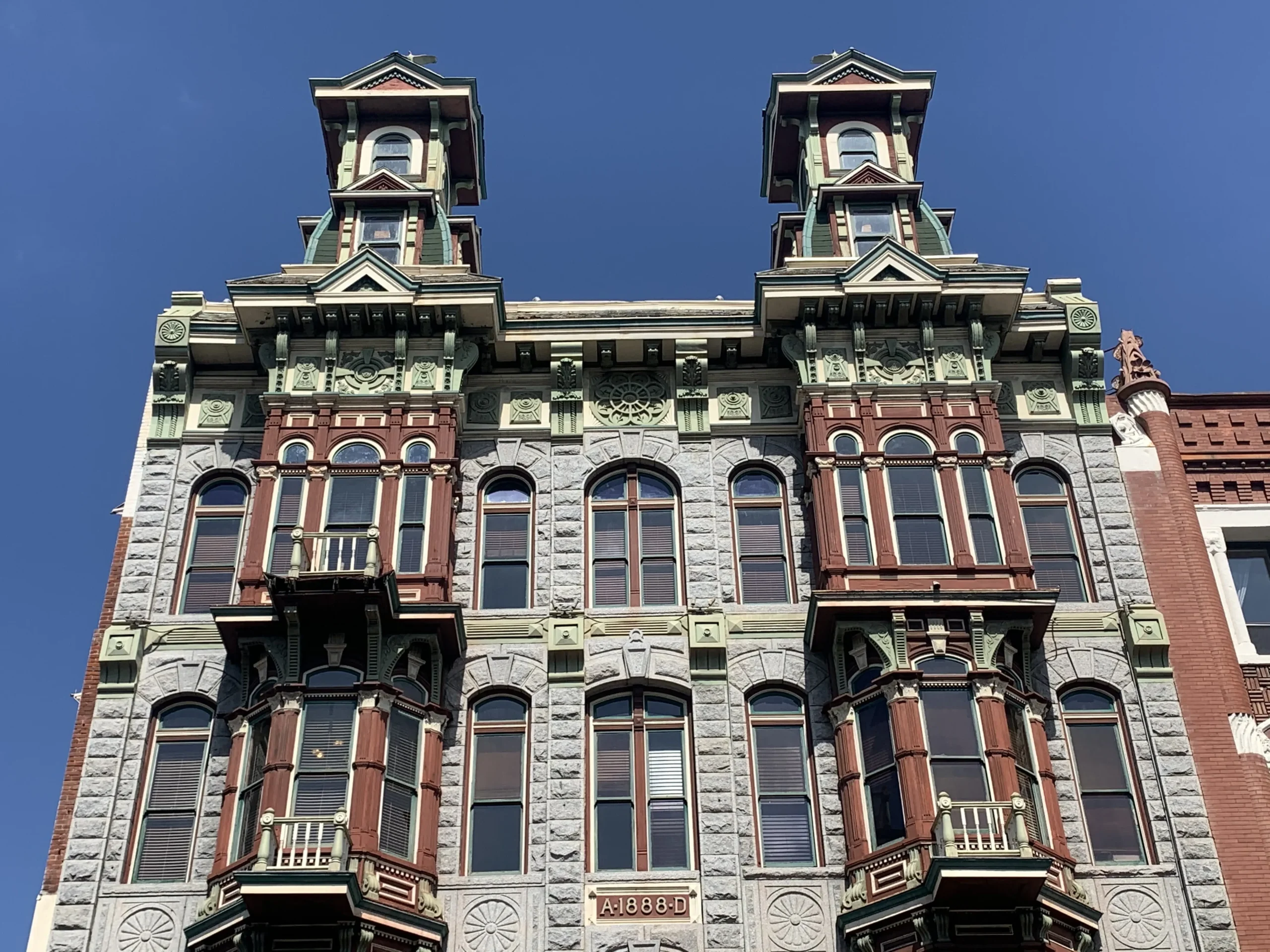
Davis-Horton House: Discover San Diego’s Oldest Surviving Home and Historic Landmark
By Filip Lazarevski, San Diego Free Tour
The Davis-Horton House stands as a testament to San Diego’s rich history, being one of the oldest surviving homes in the city. This historic landmark not only showcases the architectural beauty of the Victorian era but also serves as a cultural hub that connects visitors to the past. In this article, we will explore the historical significance, architectural features, and current status of the Davis-Horton House, as well as how you can experience this remarkable site through guided “walking tours”. By understanding its history and cultural relevance, visitors can appreciate the importance of preserving such landmarks in San Diego.
Historical Significance
The Davis-Horton House is a vital piece of San Diego’s history, representing the evolution of the city from its early days to the present. Built in 1850, it is one of the oldest surviving homes in San Diego, reflecting the architectural styles and cultural influences of its time. The house was originally owned by Alonzo Horton, a key figure in the development of modern San Diego. Over the years, it has witnessed significant events that shaped the local community, making it a symbol of the city’s heritage.
Architectural Features

The architectural style of the Davis-Horton House is a prime example of Victorian architecture, characterized by intricate details and unique design elements. The house features decorative trim, high ceilings, and large windows that allow natural light to flood the interior. These elements not only enhance its aesthetic appeal but also provide insight into the craftsmanship of the era.
Which design elements make the Davis-Horton House unique among San Diego’s oldest buildings?
Several design elements set the Davis-Horton House apart from other historic buildings in San Diego. The intricate woodwork and decorative moldings showcase the skill of the craftsmen who built it. Additionally, the use of local materials reflects the region’s resources and architectural trends of the time, making it a unique representation of San Diego’s history.
How has the house been preserved and maintained over time?
Preservation efforts for the Davis-Horton House have been ongoing since its construction. Various restoration techniques have been employed to maintain its structural integrity and historical authenticity. Community involvement has played a crucial role in these efforts, with local organizations and volunteers working together to ensure that the house remains a cherished part of San Diego’s cultural landscape.
Current Status as a Cultural Site
Today, the Davis-Horton House serves as a cultural site that offers educational opportunities and community engagement initiatives. It hosts various events and programs aimed at promoting awareness of San Diego’s history and heritage. The house is open to the public, allowing visitors to explore its rich past and learn about the significance of preserving historic buildings.
What is the History of the Davis-Horton House in San Diego?
The history of the Davis-Horton House is deeply intertwined with the development of San Diego itself. Built in 1850, it was originally owned by Alonzo Horton, who is often referred to as the “Father of San Diego.” The house has served various purposes over the years, including as a residence and a museum, reflecting the changing needs of the community.
When was the Davis-Horton House built and who were its original owners?
The Davis-Horton House was constructed in 1850, making it one of the oldest surviving homes in San Diego. Alonzo Horton, the original owner, played a pivotal role in the city’s growth and development. His vision for a thriving urban center laid the groundwork for what San Diego has become today.
Indeed, Alonzo Horton’s significant contributions to the city’s expansion earned him a lasting title.
Davis-Horton House: San Diego’s New Town History
The combined Davis-Horton land area became known as New Town, and Horton would later be dubbed the “father of San Diego.”
National Geographic Traveler: San Diego, 2006
How has the Davis-Horton House contributed to San Diego’s heritage?
The Davis-Horton House has significantly contributed to San Diego’s heritage by serving as a symbol of the city’s early development. It reflects the cultural influences of the time and provides educational value for visitors. The house stands as a reminder of the importance of preserving historical sites for future generations.
How Can You Experience the Davis-Horton House Through San Diego Walking Tours?

Visitors can experience the Davis-Horton House through various “San Diego”. These tours provide an immersive way to learn about the city’s history while exploring its most significant landmarks.
What does the San Diego Historic Landmarks Walking Tour include?
The San Diego Historic Landmarks Walking Tour includes several key historical sites, including the Davis-Horton House. Participants can expect to learn about the architectural styles, historical events, and cultural significance of each location. The tour typically lasts around two hours and features engaging storytelling elements that bring the history to life.
How do free walking tours with a pay-as-you-wish model work in San Diego?
In San Diego, many walking tours operate on a pay-as-you-wish model, allowing visitors to contribute based on their experience. This inclusive approach ensures that everyone can participate, regardless of their budget. Visitors are encouraged to give what they feel the tour was worth, making it a flexible and accessible option for exploring the city’s rich history.
What Are the Architectural Features of the Davis-Horton House?
The architectural features of the Davis-Horton House are a testament to the craftsmanship of the Victorian era. The house showcases a blend of styles that reflect the cultural influences of its time.
Which design elements make the Davis-Horton House unique among San Diego’s oldest buildings?
The unique design elements of the Davis-Horton House include its intricate woodwork, decorative trim, and distinctive aesthetic that set it apart from other historic buildings in the area. These features not only enhance its visual appeal but also provide insight into the architectural trends of the 19th century.
How has the house been preserved and maintained over time?
Preservation efforts for the Davis-Horton House have included various restoration techniques aimed at maintaining its historical integrity. Community involvement has been crucial in these efforts, with local organizations and volunteers working to ensure that the house remains a vital part of San Diego’s cultural heritage.
Where Are Other Related Historic Sites and Heritage Landmarks in San Diego?
San Diego is home to numerous historic sites and heritage landmarks that complement the significance of the Davis-Horton House. Exploring these sites provides a broader understanding of the city’s history and cultural landscape.
What are must-see San Diego heritage sites near the Davis-Horton House?
Nearby heritage sites include Old Town San Diego State Historic Park, the Whaley House, and Casa de Estudillo. Each of these locations offers unique insights into the city’s past and contributes to the overall narrative of San Diego’s development.
How do these sites connect to San Diego’s broader history?
These historic sites connect to San Diego’s broader history by showcasing the diverse cultural influences that have shaped the region. They reflect the evolution of the city and highlight the importance of preserving its heritage for future generations.
How Do You Book and Prepare for a Visit to the Davis-Horton House Tour?
Booking a tour of the Davis-Horton House is a straightforward process that allows visitors to plan their visit effectively.
What are the steps to book a San Diego Free Tour featuring the Davis-Horton House?
To book a San Diego Free Tour featuring the Davis-Horton House, visitors can visit the tour provider’s website to check availability and select a date. Reservations are typically recommended to secure a spot, especially during peak tourist seasons.
What should visitors know before attending the tour?
Before attending the tour, visitors should wear comfortable attire and bring water to stay hydrated. Engaging with the tour guide and asking questions can enhance the experience, providing deeper insights into the history and significance of the Davis-Horton House.
Leave a Reply