
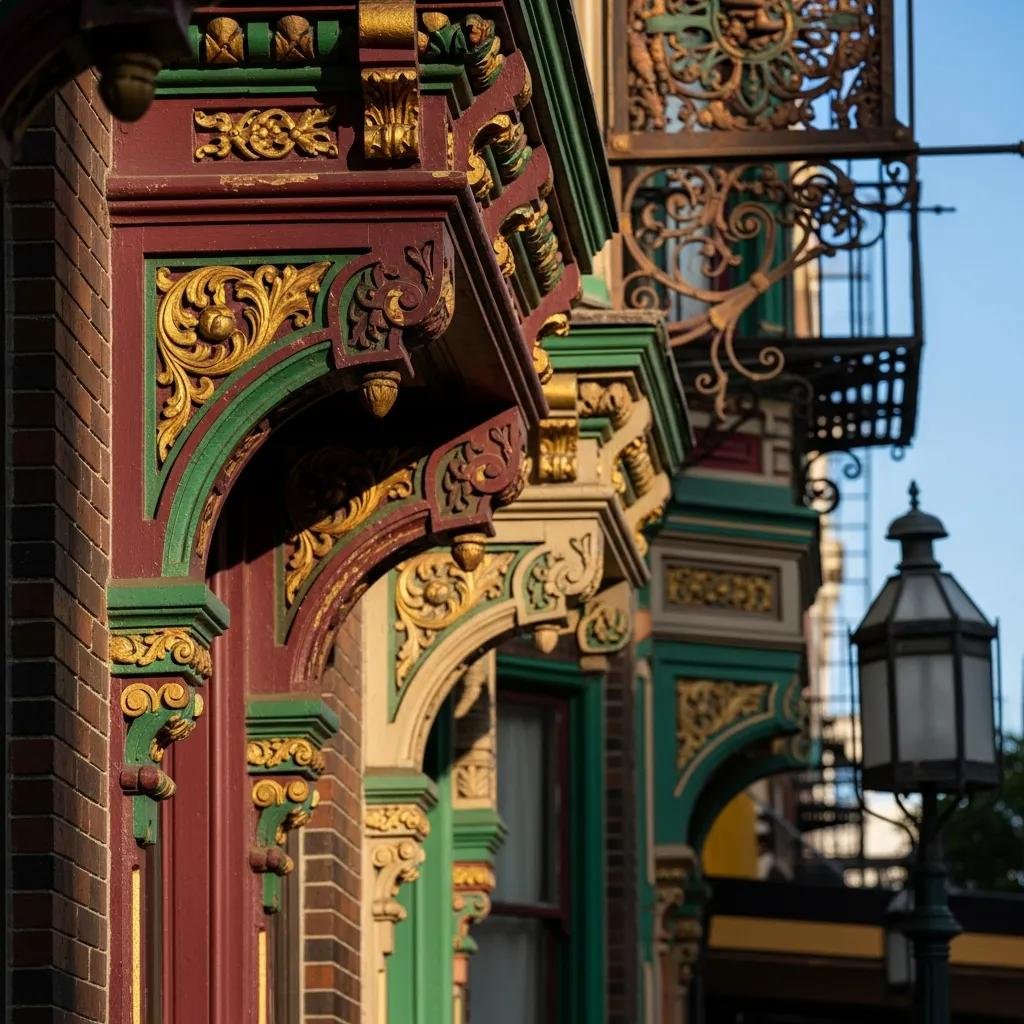
Yuma Building: Explore the Victorian Gem in San Diego’s Gaslamp Quarter with Free Walking Tours
By Filip Lazarevski, San Diego Free Tour
The Yuma Building stands as a testament to the rich history and architectural beauty of San Diego’s Gaslamp Quarter. This Victorian gem, constructed in 1887, reflects the cultural evolution of the area and serves as a focal point for visitors interested in the city’s heritage. In this article, we will delve into the historical significance of the Yuma Building, explore its architectural features, and discuss how visitors can experience this landmark through engaging walking tours. By understanding the Yuma Building’s role in the Gaslamp Quarter, readers will appreciate the intricate details that define San Diego’s Victorian architecture and the vibrant culture that surrounds it.
What is the historical significance of the Yuma Building in the Gaslamp Quarter?
The Yuma Building is a significant historical landmark in the Gaslamp Quarter, representing the architectural and cultural evolution of San Diego. Built in 1887, it was originally designed to house a variety of businesses, reflecting the economic growth of the area during that period. The building’s construction was spearheaded by key figures such as local businessman and politician Alonzo Horton, who played a pivotal role in the development of downtown San Diego. The Yuma Building not only showcases the architectural style of its time but also symbolizes the transformation of the Gaslamp Quarter from a bustling commercial hub to a vibrant cultural district.
When was the Yuma Building constructed and who were its key figures?
The Yuma Building was constructed in 1887, during a time of rapid growth and development in San Diego. Key figures involved in its history include Alonzo Horton, who is often referred to as the “Father of San Diego.” His vision for the city led to the establishment of the Gaslamp Quarter as a commercial center. The building’s design and construction were also influenced by prominent architects of the era, who incorporated Victorian elements that are still celebrated today.
How does the Yuma Building reflect the heritage of San Diego’s historic district?
The Yuma Building reflects the heritage of San Diego’s historic district through its architectural style and historical context. The building features ornate facades and intricate details that are characteristic of Victorian architecture, showcasing the craftsmanship of the period. Its presence in the Gaslamp Quarter serves as a reminder of the city’s rich history and the cultural influences that have shaped its development. The building’s preservation allows visitors to connect with the past and understand the significance of the Gaslamp Quarter in San Diego’s history.
What defines Victorian architecture in San Diego’s Gaslamp Quarter?
Victorian architecture in San Diego’s Gaslamp Quarter is defined by its elaborate ornamentation, asymmetrical shapes, and vibrant colors. Key characteristics include decorative trim, bay windows, and steeply pitched roofs. The Yuma Building exemplifies these features, with its intricate woodwork and unique design elements that capture the essence of the Victorian era. This architectural style not only enhances the aesthetic appeal of the Gaslamp Quarter but also contributes to its historical significance as a cultural landmark.
Which architectural features make the Yuma Building a Victorian landmark?
The Yuma Building is distinguished by several architectural features that solidify its status as a Victorian landmark. Notable elements include its ornate cornices, decorative brackets, and large windows that allow natural light to flood the interior. The building’s façade is adorned with intricate carvings and moldings, showcasing the craftsmanship of the time. These features not only enhance the building’s visual appeal but also reflect the architectural trends of the late 19th century, making it a vital part of San Diego’s architectural heritage.
How does Victorian architecture influence the Gaslamp Quarter’s character?
Victorian architecture significantly influences the character of the Gaslamp Quarter, creating a unique atmosphere that attracts visitors and locals alike. The intricate designs and historical significance of the buildings contribute to the district’s charm and appeal. This architectural style fosters a sense of nostalgia and connection to the past, making the Gaslamp Quarter a vibrant cultural hub. The preservation of Victorian structures like the Yuma Building ensures that the historical narrative of San Diego continues to be celebrated and appreciated.
How can visitors experience the Yuma Building through San Diego walking tours?
Visitors can experience the Yuma Building and its historical context through guided walking tours offered in the Gaslamp Quarter. These tours provide an opportunity to explore the architectural beauty of the area while learning about its rich history. Participants can expect to see not only the Yuma Building but also other significant landmarks that contribute to the cultural tapestry of San Diego. Walking tours typically include engaging narratives from knowledgeable guides who share fascinating stories about the buildings and their historical significance.
Indeed, the concept of heritage walks is widely recognized as a powerful tool for promoting historical tourism and connecting visitors with a place’s cultural past.
Heritage Walks for Historical Tourism
Historical sites have always beenpopular attractionsfor both domestic and international tourists. Mostof thetourists who visitthecountries other than their ownare ofteninterested in the historicalimportance oftheplace.Thecultural heritage of an areais expressed in its historical resources. Many tourist destinationsaredevotedtohistory. The preservationofhistory, the quality and management of museumsare ofmostimportancefor successful tourism.Heritagemonuments are important tourist attractionincultural tourism.Heritagesitesareproductsor,perhaps, constructions of history; theyowedistinctiveness to the past.Thatdistinctiveness remains recognizable but is often presented in new ways. The Cultural expressionsofthese monuments constitutepotential learning and recreation resources. These resources,coupled with heritage,contribute tothe richnessof anylandscape, which canattractinnumerable tourists looking for the “culturalexperienceCultural tourism is perhapsthefastest growing sec
Heritage walks as a tool for promoting sustainable historical tourism, J Thomas, 2010
What highlights are included in free walking tours of the Gaslamp Quarter?
Free walking tours of the Gaslamp Quarter include several highlights that showcase the area’s historical and architectural significance. Participants can expect to see:
- The Gaslamp Quarter Arch: A prominent landmark that marks the entrance to the district, adorned with decorative lights and historical plaques.
- Horton Grand Hotel: A beautifully restored hotel that reflects the Victorian architecture of the era, offering insights into the history of hospitality in San Diego.
- Historic Buildings: Various structures that exemplify the architectural styles of the late 19th century, each with its own unique story.
These highlights provide a comprehensive overview of the Gaslamp Quarter’s history and its transformation over the years.
How does the pay-as-you-wish model work for San Diego Free Tours?
The pay-as-you-wish model for San Diego Free Tours allows participants to contribute what they feel the tour is worth. This flexible pricing structure encourages accessibility and inclusivity, enabling individuals from all backgrounds to experience the rich history of the Gaslamp Quarter. At the end of the tour, guests can make a donation based on their satisfaction and financial ability, ensuring that everyone can enjoy the experience without financial barriers. This model not only supports the tour guides but also fosters a sense of community among participants.
Where is the Gaslamp Quarter located and what are its notable landmarks?
The Gaslamp Quarter is located in downtown San Diego, bordered by Broadway to the north and Harbor Drive to the south. This vibrant district is home to numerous notable landmarks, including:
- The Gaslamp Quarter Arch: A historic entrance that welcomes visitors to the area.
- The Horton Grand Hotel: A beautifully restored hotel that showcases Victorian architecture.
- The Old Globe Theatre: A renowned venue for theatrical performances, located in Balboa Park nearby.
These landmarks contribute to the Gaslamp Quarter’s reputation as a cultural and historical hub in San Diego.
What other historic buildings complement the Yuma Building in the district?
Several historic buildings complement the Yuma Building in the Gaslamp Quarter, each contributing to the area’s architectural diversity and historical significance. Notable examples include:
- The Davis-Horton House: One of the oldest structures in the district, showcasing early California architecture.
- The Keating Hotel: A beautifully restored building that reflects the Victorian style and offers modern amenities.
- The Old City Hall: A historic building that once served as the center of San Diego’s government, now housing various businesses.
These buildings, along with the Yuma Building, create a rich tapestry of history and architecture that defines the Gaslamp Quarter.
How can visitors navigate the Gaslamp Quarter to explore its Victorian gems?
Navigating the Gaslamp Quarter to explore its Victorian gems can be an enjoyable experience for visitors. Here are some tips to enhance the journey:
- Wear Comfortable Shoes: The district is best explored on foot, so comfortable footwear is essential for walking.
- Use a Map or App: Familiarize yourself with the area using a map or a mobile app that highlights key landmarks and attractions.
- Join a Guided Tour: Consider joining a guided walking tour to gain insights into the history and architecture of the buildings.
These tips will help visitors make the most of their exploration of the Gaslamp Quarter and its Victorian treasures.
What practical tips help visitors book and enjoy free walking tours in San Diego?
To book and enjoy free walking tours in San Diego, consider the following practical tips:
- Check Tour Schedules: Visit the tour provider’s website to find the latest schedules and availability.
- Arrive Early: Arriving early ensures a good spot and allows time to ask questions before the tour begins.
- Bring Water and Snacks: Staying hydrated and energized will enhance the experience, especially during longer tours.
By following these tips, visitors can maximize their enjoyment of the free walking tours and gain a deeper understanding of San Diego’s history.
How to reserve a spot on San Diego Free Tours featuring the Yuma Building?
Reserving a spot on San Diego Free Tours featuring the Yuma Building is a straightforward process. Interested participants can visit the tour provider’s website to view available tours and select their preferred date and time. While the tours operate on a pay-as-you-wish model, it is advisable to reserve a spot in advance to ensure participation. This reservation process helps the tour guides manage group sizes and provide a more personalized experience for attendees.
What should visitors know about contributions and tour schedules?
Visitors should be aware that contributions to the San Diego Free Tours are based on individual satisfaction and financial ability. At the end of the tour, participants can choose to donate what they feel is appropriate, ensuring that the tours remain accessible to everyone. Additionally, it is important to check the tour schedules in advance, as they may vary based on the season and demand. Staying informed about the schedule will help visitors plan their experience effectively and enjoy the rich history of the Gaslamp Quarter.


Leave a Reply